The Problem
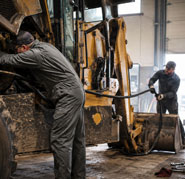
Replacing a hydraulic, air, or fluid hose on construction or farm equipment is a slow, blind, two-person job that keeps costly equipment sitting idle.
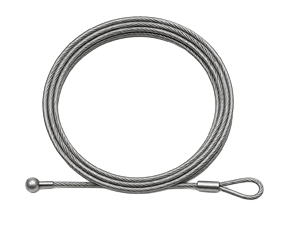
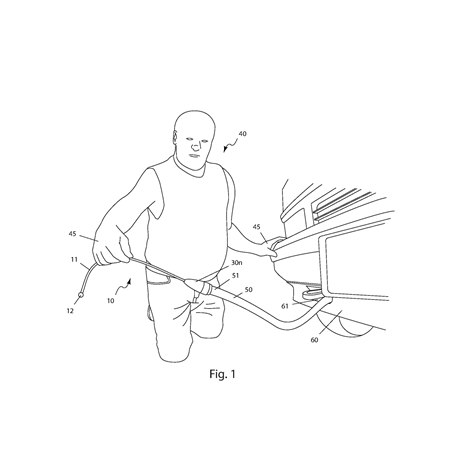
When a hydraulic, air, or fluid hose fails, the machine stops. The Hose Puller turns that stubborn two-person job into a fast, one-person task — thread a guide cable through the old hose, and the new one follows the exact same path back through the equipment.
A coiled guide cable and a full set of fittings in one rugged, grab-and-go clamshell case.
The Hose Puller is being presented to manufacturers, distributors, and licensing partners through For Sale By Inventor. Companies interested in licensing, manufacturing, or distributing the product are invited to get in touch.
Watch both parts of the official inventor video presentation for The Hose Puller.
Part 1
Part 2
The Hose Puller was created by an inventor who got tired of losing whole days to a job that shouldn't take them. It was built to get equipment running again faster — with less labor, less downtime, and less frustration, on the job site, in the field, or in the shop.
Replacing a hydraulic, air, or fluid hose on construction or farm equipment is a slow, blind, two-person job that keeps costly equipment sitting idle.
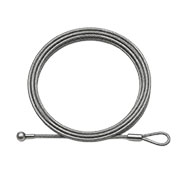
The Hose Puller uses the old hose to guide the new one — a flexible 1/8" steel cable plus fourteen fittings that lock onto virtually any hydraulic, air, or water connection.

Ready to take the next step? Contact us today to discuss licensing, manufacturing, or distribution.
A coiled guide cable and fourteen interchangeable fittings, sorted and ready in one rugged clamshell case.

Anyone who has worked on construction or farm equipment knows the problem. When a hydraulic or fluid hose fails, the machine stops — and so does production. Routing a replacement hose back through a tractor, a loader, or a truck frame often means feeding it blind through tight spaces, fighting it around obstructions, and pulling in a second person to help.
John Clark lived that frustration firsthand. Rather than accept downtime as the cost of doing business, he worked out a simpler approach: thread a flexible cable through the old hose first, then let that cable act as a guide so the new hose follows the exact same path back through the equipment.
From that idea, The Hose Puller took shape — a single coiled cable paired with an organized set of fittings sized to match the hoses found across industrial, agricultural, and automotive equipment. Clark built and tested a working model, refining the fittings and the carrying case until the whole system fit into one portable kit a technician could carry straight to the breakdown.


